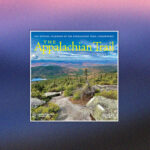
Resources for Planning an A.T. Hike

Accessibility
There are opportunities for every ability on the A.T. Find wheelchair accessible routes, multi-use sections, and more.
Accessibility
A.T. Basics
New to the Appalachian Trail? Learn what the A.T. is, the different ways to hike the Appalachian Trail, and how to plan your first safe and enjoyable visit.
A.T. Basics
ATCamp Hike Registration
ATCamp is ATC’s voluntary hiker registration platform to help reduce overcrowding on the A.T. Hikers who register receive trip planning resources and can sign up to receive urgent Trail alerts. Anyone planning to camp on the A.T. is encouraged to register, including thru-hikers, section hikers and backpackers, and groups!
ATCamp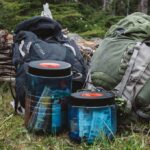
Bears & Food Storage
Much of the Appalachian Trail is prime black bear habitat. Properly storing food and preparing for bear encounters before you hit the Trail will not only help you worry less and have more fun, but it will also help protect other hikers and bears.
Bears & Food Storage
Campfires
For as long as there has been camping, there have been campfires. Before setting up camp, know how to build campfires responsibly and check whether campfires are permitted in your Appalachian Trail campsite.
Camping
Camping & Shelters
Whether you’re pitching a tent or staying at one of the 250+ Appalachian Trail backcountry shelters, it’s important to follow camping regulations to preserve the Trail environment.
Camping
Day Hiking & Backpacking
From short A.T. day hikes to multi-day backpacking trips, discover how to plan your route, pack your gear, and enjoy the Appalachian Trail safely and sustainably.
Day Hiking & Backpacking
Emergencies
Backcountry emergencies can happen anywhere on the A.T. Stay prepared by being aware of your location and have an emergency plan in place before you begin your hike.
Emergencies
Food & Cooking
Thoughtful planning of your food, snacks, and water is key for energy, health, and safety on the A.T.
Food & Water
Friends & Family Guide
Is your loved one hiking the Appalachian Trail? Learn more about ways to support your hiker before, during, and after their journey with tips on safety, communication, resupply logistics, and more.
Friends & Family Guide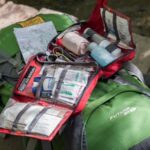
Gear & First Aid Kits
Carrying the right gear for the Appalachian Trail while keeping your pack light is an important balance to have a safe and fun hike.
Gear for the Trail
Group Hiking
Hiking as part of a group, whether through Scouts, college, work, or a local organization, can be an incredible way to build relationships and experience the outdoors. Learn how to be a good steward of the A.T. while with your group.
Group Hiking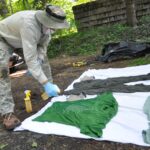
Health & Hygiene
Maintaining personal hygiene while in the woods can go a long way to prevent illness, keep you comfortable on your hike, and boost morale on your trip!
Health & Hygiene
Hiking with Your Dog
Is your dog your favorite hiking buddy? Learn about keeping Fido safe on the A.T., proper puppy etiquette while on the Trail, and dog-related regulations.
Hiking with Your Dog
Hurricane Helene Damage & Hiking
Hurricane Helene caused catastrophic damage to the southern Appalachian mountains in September 2024, and the A.T. landscape is still healing. Learn what detours are still in place and what to expect in storm damaged areas.
Hiking & Helene
Incident Reporting
While the Appalachian Trail is a relatively safe place to visit, that does not mean that there are not potential dangers while you are hiking or camping. If you see something, say something — this will help us keep the A.T. as safe as possible for our visitors.
Report an Incident
Leave No Trace
Do your part to protect the Appalachian Trail by following Leave No Trace hiking principles and encouraging others to hike responsibly. Together we can help keep the Trail alive for future generations.
Leave No Trace
Navigation & Tools
While the A.T. is well-marked with white blazes, it’s important to have the proper navigation tools in case of emergencies or poor weather. Before you go, learn how to find your way.
Navigation & Tools
Norovirus & Stomach Bugs
Help prevent an outbreak of norovirus on the A.T. and stay healthy by practicing good hygiene, liking washings your hands with soap and water.
Norovirus & Stomach Bugs
Parking & Transportation
There are hundreds of A.T. trailheads (places you can park along the Trail) to begin your hike. Read our tips on finding trailheads, parking, shuttle services, and more.
Transportation & Parking
Permits & Fees
Some part of the Trail require an entrance fee and permit, and some places require fees for camping.
Permits & Fees
Pooping Like a Pro
When nature calls, do you know what to do? Properly dealing with poop and pee is one of the best ways you can help protect the Trail!
Pooping Like a Pro
River & Stream Crossings
There are many unbridged stream crossings along the A.T., especially in Maine. Learn how to ford a river safely and how to tell when you should wait or turn around.
River & Stream Crossings
Safety
Safety is your responsibility on the A.T. From handling emergencies to wildlife awareness, hike safely and confidently with these safety tips for hiking the Appalachian Trail.
Safety
Thru & Section Hiking
Tackling the entire Appalachian Trail, whether in a single thru-hike or over several years as a section hiker, is the adventure of a lifetime. Learn more about routes, preparation tips, and sustainable hiking practices.
Thru & Section Hiking
Ticks, Tick-Borne Diseases & Prevention
The most common health risk on the Appalachian Trail is tick-borne illness. Protect your health by learning about tick bite prevention and what to do if you are bitten by a tick.
Ticks
Water & Water Treatment
Water sources along the Appalachian Trail are mostly natural springs, streams, and creeks, with few pumps or faucets available. Always plan ahead, treat or filter all water before drinking, and check current water conditions.
Water & Water Treatment
Weather Hazards
Weather conditions can change quickly on all sections of the Appalachian Trail. Discover ways to prepare for A.T. weather hazards so you can stay safe in rain, snow, heat, or storms.
Weather Hazards
Wildfires
Wildfires are increasing along the A.T. Learn how to help prevent wildfire on the Trail and what to do if you encounter one.
Wildfires
Wildlife
The Appalachian Mountains are home to a rich diversity of plants and animals but only a few have the potential to harm you. Educate yourself about best practices to avoid negative encounters and stay safe.
Wildfires