
Safety & Preparedness on the Appalachian Trail
Hiking the A.T. is an incredible adventure, but it’s important to stay prepared. Appalachian Trail safety begins with understanding risk and knowing how to handle emergencies so that you can hike safely and confidently.
Is the Appalachian Trail Safe?
Many hikers want to know if the A.T. is safe, especially if it’s safe to hike alone. Generally, the Appalachian Trail is safe. Serious incidents, including crime, are rare.
Hikers should still be prepared and plan for weather, terrain, and wildlife, plus stretches of unreliable cell signal. “Safe” doesn’t mean “risk-free,” whether you’re on the A.T. or anywhere else in the wilderness, so it’s important to carry the 10 Essentials on every hike. In an emergency, call 911.

Most Common Dangers on the Appalachian Trail
The Appalachian Trail is so well-traveled it can be easy to forget how remote most of the Trail actually is, and the risks associated with being outdoors. These dangers can include:
- Weather exposure: Conditions can change quickly and put hikers at risk of hypothermia, heat stroke, or lightning.
- Tick-borne illness: Ticks carrying Lyme disease and other diseases are a year-round, Trail-wide risk.
- Contagious illnesses: Untreated water sources and sharing supplies with others can spread illnesses like Giardia and Norovirus.
- Difficult terrain & water crossings: These are leading causes of injury and disorientation on the Trail.
- Wildlife encounters: While usually avoidable, bears, venomous snakes, and stinging insects all call the Trail home.
- Injuries & health emergencies: Overuse injuries like shin splints and twisted ankles are one of the top reasons hikers leave the Trail, as well as sudden health emergencies.
- Crime: While crime is statistically low on the A.T., it’s important to stay alert and report any suspicious behavior.
Each of these is covered in more depth below.
Outdoor Safety Skills

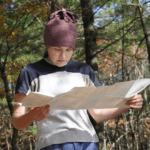




Report an Incident
While the Appalachian Trail is a relatively safe place to visit, that does not mean that there are not potential dangers while you are hiking or camping. If you see something, say something — this will help us keep the A.T. as safe as possible for our visitors.
Please note: Submitting an Incident Report does not trigger an immediate law enforcement response, especially after hours and on weekends. If you are in immediate danger, call 911. Having trouble using the form? You can also send a detailed email directly to incident@appalachiantrail.org.
Weather and Seasonal Hazards on the A.T.
While on the Trail, you’ll experience a wide range of weather that can change quickly. By packing proper clothing and keeping tabs on the forecast, you can help keep yourself safe from the elements.

Weather Hazards
Hypothermia, heat stroke, and dehydration are all risks of extreme weather along the Trail.
Learn More
Lightning Safety
If you’re in an open area and hear thunder, move to lower, forested ground right away. Avoid standing near tall, isolated features like a lone tree or communication tower.
Learn More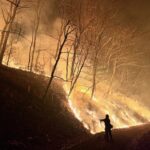
Wildfires
Do your part to prevent wildfires by following all burn bas and campfire regulations.
Learn More
Winter Hiking
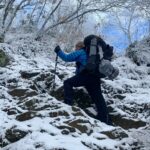
Snow is possible on virtually every part of the Trail starting in October through early April, even lingering into late May at higher elevations in New England.
Learn MoreSafety Tips for Thru-Hikers
Spending extended time on the Trail brings its own set of safety considerations in addition to the tips explained above.
Stay Aware
While the A.T. is safer than most places, it is not immune from crime or isolated from the problems of society.
Always be aware of what you’re doing, where you are, and who you’re talking to. Be polite but cautious with strangers and don’t tell them your plans. Always trust your gut, and get away from anyone acting suspicious, hostile, or unstable. Be extra cautious when hiking alone.
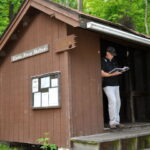
It’s always good to let people know where you are. Check in with someone at home and be sure they know your Trail name if you have one. Writing in Trail registers or logbooks are a great way to communicate with other hikers, and they can also be used by law enforcement in the unfortunate event of an emergency.
When to Swap Cold Weather Gear
NOBO hikers should be prepared for cold weather and slow travel in the event of deep snow, especially at high elevations in the Smokies, Roan Highlands, and Grayson Highlands/Mt Rogers High Country. We recommend NOBOs keep their warm gear until they are north of the Grayson Highlands in Virginia and then get their warm gear back before tackling the White Mountains in New Hampshire.
SOBOs should plan to keep their warm gear through the White Mountains and get it back before heading up into the Grayson Highlands.
Plan To Be Off Grid
While cell signal is spotty along the entire Trail, certain areas like Great Smoky Mountains National Park, the Tennessee and Virginia highlands near Damascus, and most of Maine can leave you without cell or even a reliable GPS signal for extended periods. Let folks at home know before you enter these sections.
Consider a satellite messenger like a Garmin inReach so that you can reach family and trigger an SOS without cell signal.
Check Weather Conditions
Looking for a place to check Trail weather? ATweather.org provides forecasts for the A.T. based on state and location, and uses data from the National Weather Service.
Keep Gear With You At All Times
Emergencies happen to even the most well-prepared and experienced hikers. Proper clothing, equipment, a stocked first aid kit, and a good emergency kit can make all the difference if you find yourself in trouble. It’s essential to keep your pack with you at all times, even for quick trips to go to the bathroom, so you have these essentials with you no matter what.