Sweet Dreams: Choosing a Sleeping Bag for the Appalachian Trail

Nov 4, 2022

Nov 4, 2022
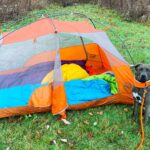
In addition to gathering the other 10 Essentials, choosing the best sleeping bag for you is priority for having a safe and comfortable overnight trip on the Appalachian Trail. Here are our tips for fitting your sleeping bag into your overall sleep system, staying warm, and budgeting for your ideal sleeping bag.

Your sleeping bag is part of a complete sleeping system that keeps you warm and safe on the Trail. Dog optional (just make sure it’s on a leash).
When packing for the Trail, you only have so much room in your pack. To stay as warm as possible and save weight and space, your shelter, sleeping bag, sleeping pad, and sleeping clothes (aka “camp clothes”) should all complement each other. While we’re going to focus on sleeping bags in this post, these are some other things to consider:
Above all, make sure your sleep system stays dry by packing the components in a waterproof stuff sack or dry bag. Even if the weather is miserable while you hike during the day, you can still be safe and comfortable if you have a dry and appropriately-rated sleeping bag to crawl into at night.
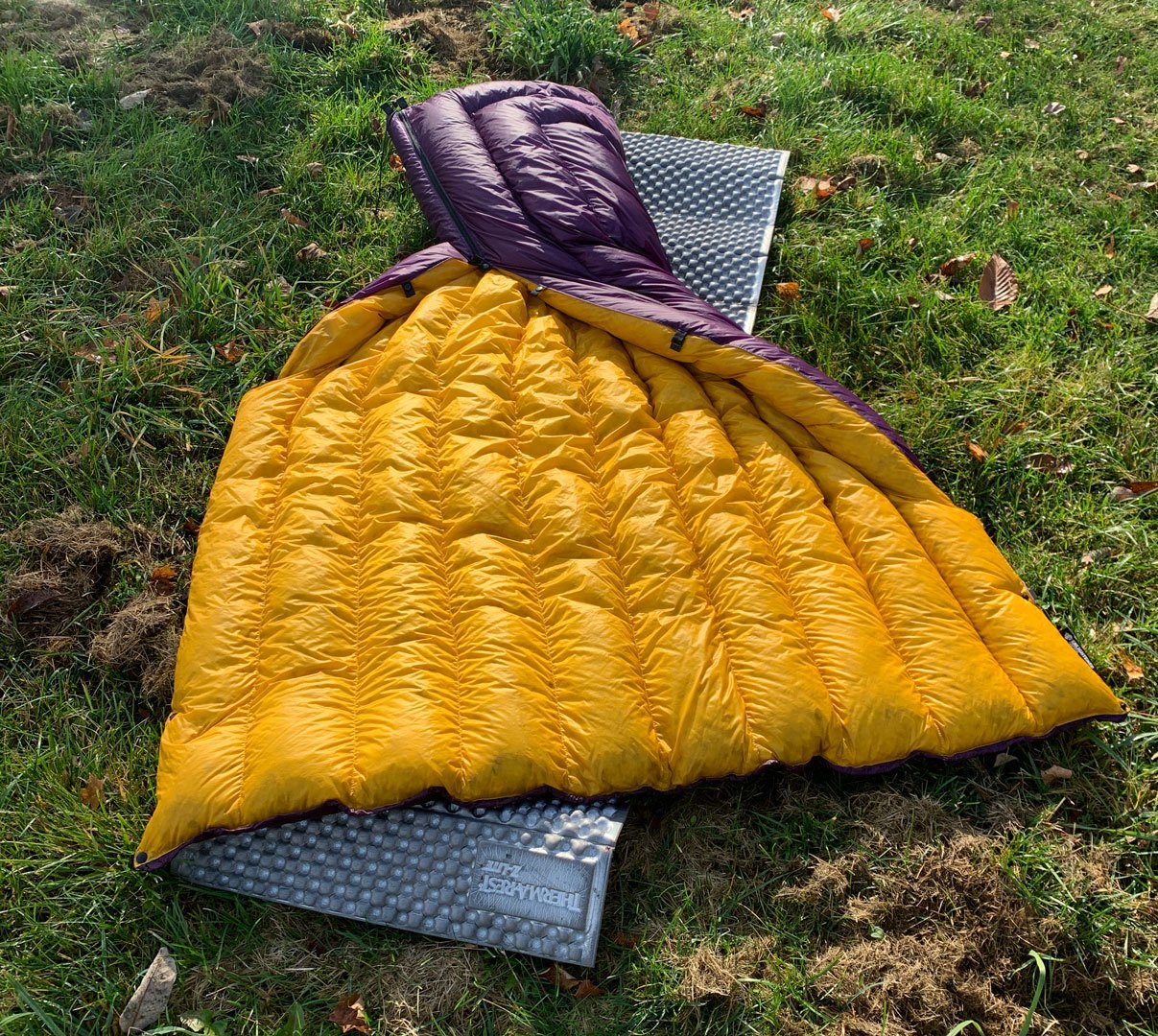
Backpacking quilts have become popular among long-distance hikers and ultralight backpacking enthusiasts. These are essentially sleeping bags-turned-blankets: they are open on one side (though many have the option to zip or clip them closed) and save weight by eliminating the insulation that you sleep on — this layer of insulation is compressed underneath you with a traditional sleeping bag, which greatly reduces the insulating properties. Generally, quilts use the same rating system as sleeping bags.
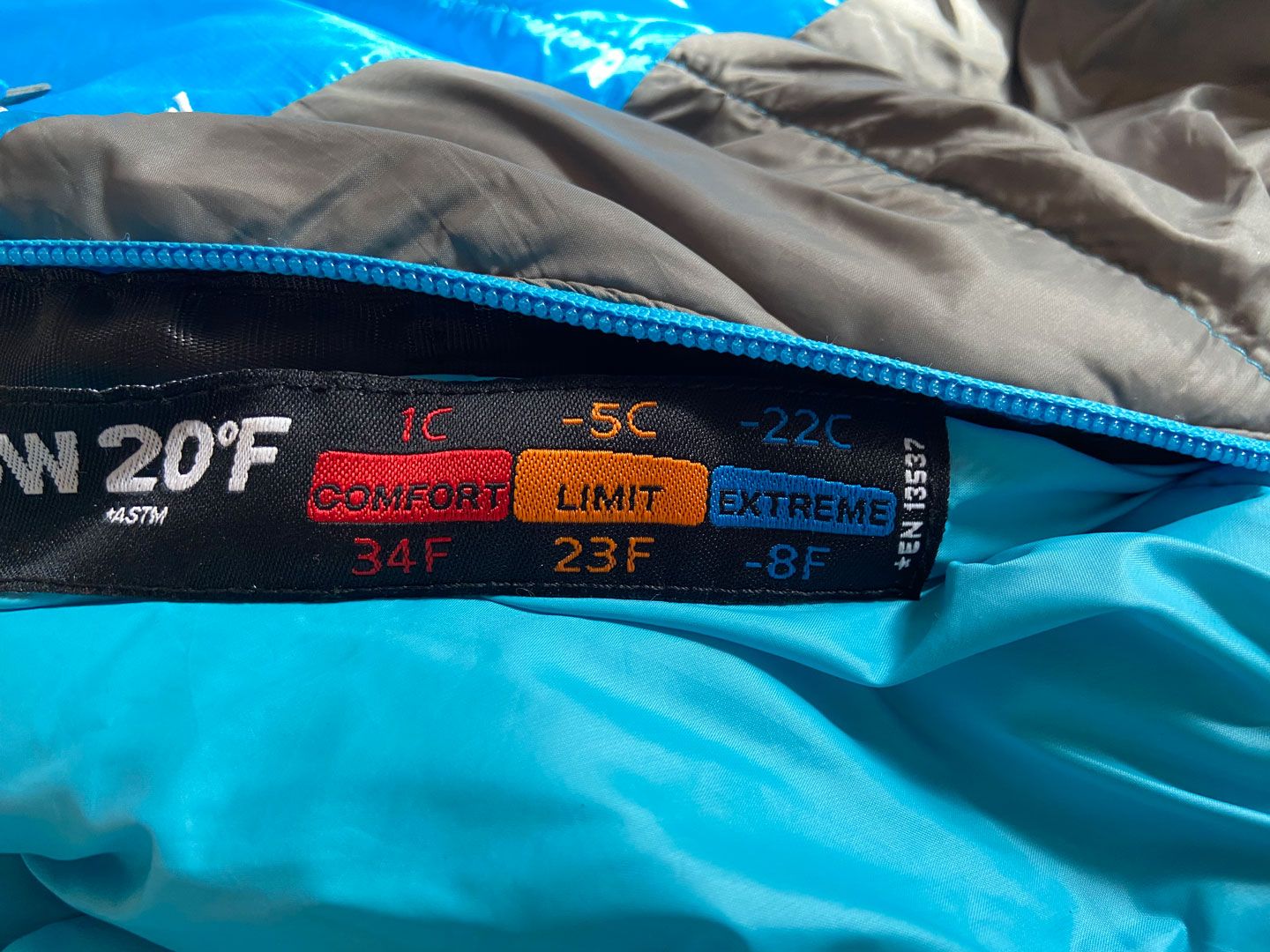
While most sleeping bags have a general temperature rating — in this case, 20° F — there are three other temperature ratings to keep in m mind: comfort, lower limit, and extreme limit.
For a long time, there was no industry standard by which sleeping bags were rated. Today, manufacturers typically follow the International Organization for Standardization (ISO) rating system to help standardize sleeping bag temperature ratings. The three rating categories that most sleeping bag companies use to advertise their bags are:
The difference between the comfort rating and lower limit can be quite big and keep in mind that these are only guidelines — they will vary from person to person due to personal physiology and the rest of your sleep system.
For example, when I switched to a quilt, I bought one rated for a 20° F lower limit. However, I was using a closed-cell foam sleeping pad with a low R-value, a tarp instead of a tent, and I identify as a woman. Even with a sleeping bag liner and all my sleeping clothes and my puffy jacket on, I was shivering if the nighttime temperatures dropped below 35° F or 40° F. Being a cold sleeper and unwilling to sacrifice my trusty closed-cell foam pad, I’ve been much happier since switching back to a sleeping bag with a comfort rating of 20°F and a tent.
Most women’s sleeping bags use the comfort rating and most men’s bags use the lower limit rating. More and more companies are making unisex bags with a range of ratings, lengths, and fill that advertise both ratings. Regardless of gender, warmer sleepers should generally look for lower limit ratings while colder sleepers should generally look for comfort ratings when shopping for a sleeping bag.
Keep in mind, though, that not all bags use the ISO rating system. When shopping for a sleeping bag, always consider how you sleep and what temperatures you expect on the Trail.
Down is considered the gold standard for backpacking sleeping bags since down bags often have the best warmth-to-weight ratio. This is because down feathers loft beautifully, and it’s that loft (how puffy the feathers get) that traps heat and insulates your bag. Down bags are often more expensive but lighter than their synthetic counterparts. Down bags also do not insulate when wet and need to be washed and stored carefully.
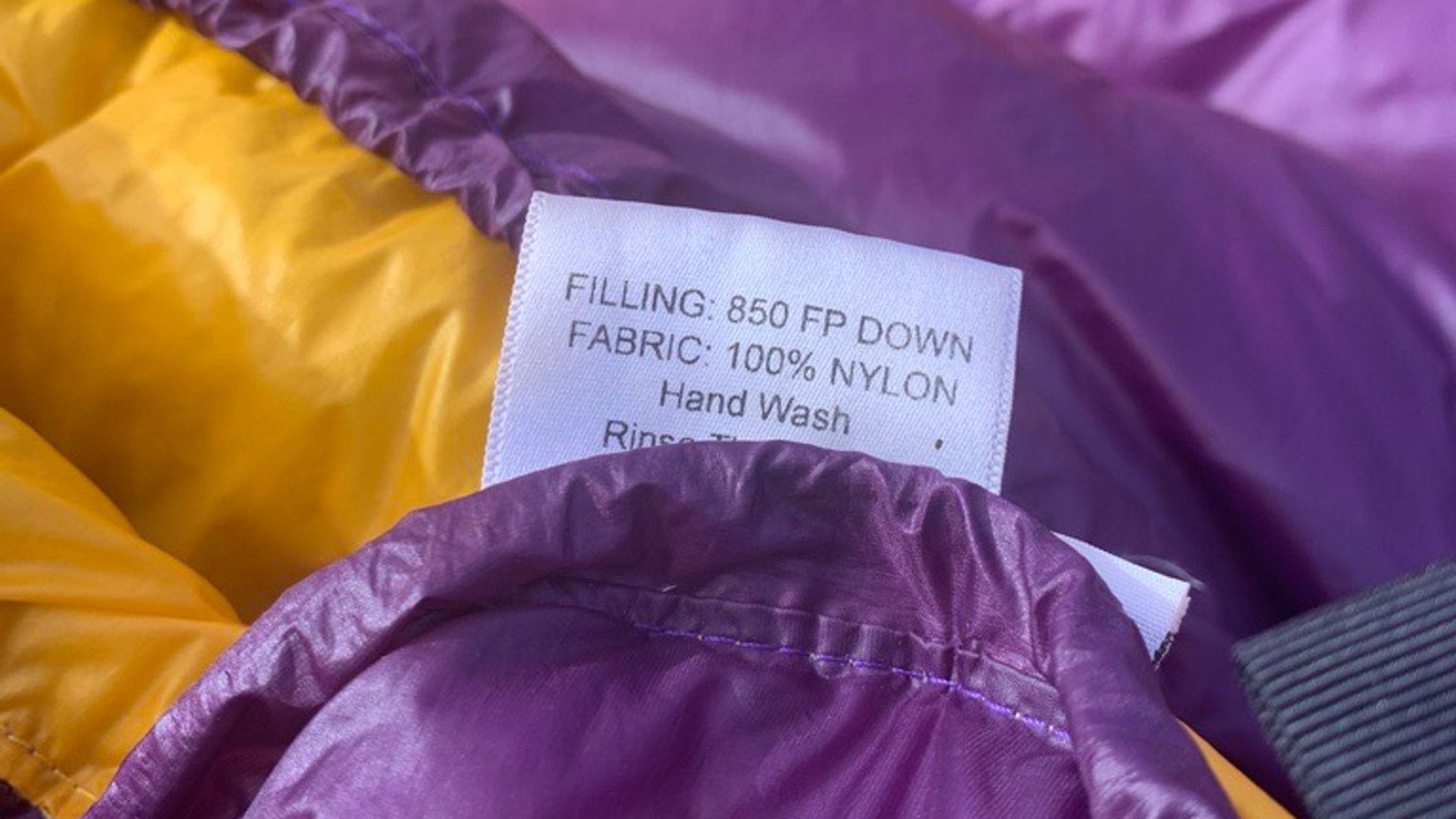
If you choose a down bag, be sure to look at the fill power. Fill power measures the quality of the down and its lofting capabilities. Generally, the higher the fill power, the better the warmth-to-weight ratio (e.g. an 850 fill bag will perform better than a 650 fill bag). Premium fill and premium weight-savings often come at a premium price, though.
Synthetic sleeping bags use… well, a synthetic insulator instead of down, often polyester, though there are some down/synthetic hybrids. Synthetic bags do not have the same weight or space-saving properties as down (especially when you get into cold weather bags), as they are not as easily compressed with a stuff sack. However, synthetic bags can still insulate if they get damp and are often less expensive than their downy counterparts.
There are so many personal variables to consider that it’s impossible to select a single “ultimate” A.T. sleeping bag (or quilt). We can, however, narrow down our choices. When selecting a sleeping bag, ask yourself these questions:
Warmer sleepers should pay attention to the lower limit rating and colder sleepers should look for the comfort rating.
While it may be tempting to get a sleeping bag with lots of extra room, you may be colder in a bag that is too big for you. That’s because extra space in your bag becomes extra space for your body to heat, causing the temperature inside your bag to fall
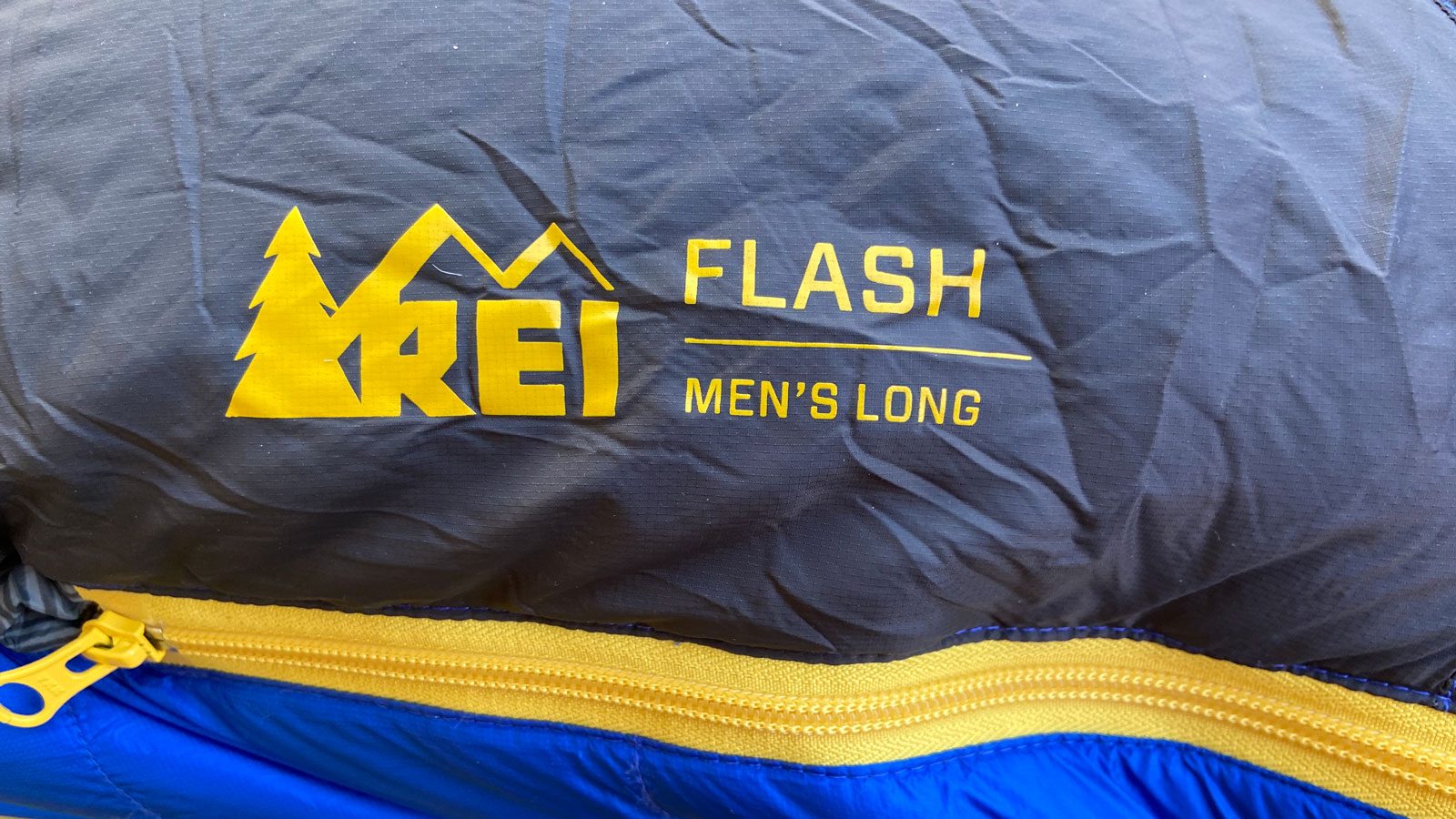
While long sleeping bags provide extra room for tall individuals, it could cause you to be colder if the bag is too big for you.
Consider a sleeping bag with a rating that is slightly lower than the coldest average temperatures you expect.
Synthetic bags tend to be less expensive than down but tend to be heavier. Taking advantage of outfitters with consignment sections, yard, and estate sales, and seasonal sales from gear manufacturers are great strategies for saving some money and finding deals. If it’s within your budget, some hikers like to switch to a second sleeping bag with a warmer temperature rating during high summer, as they will be more comfortable, compress into smaller sizes, and are typically significantly lighter.
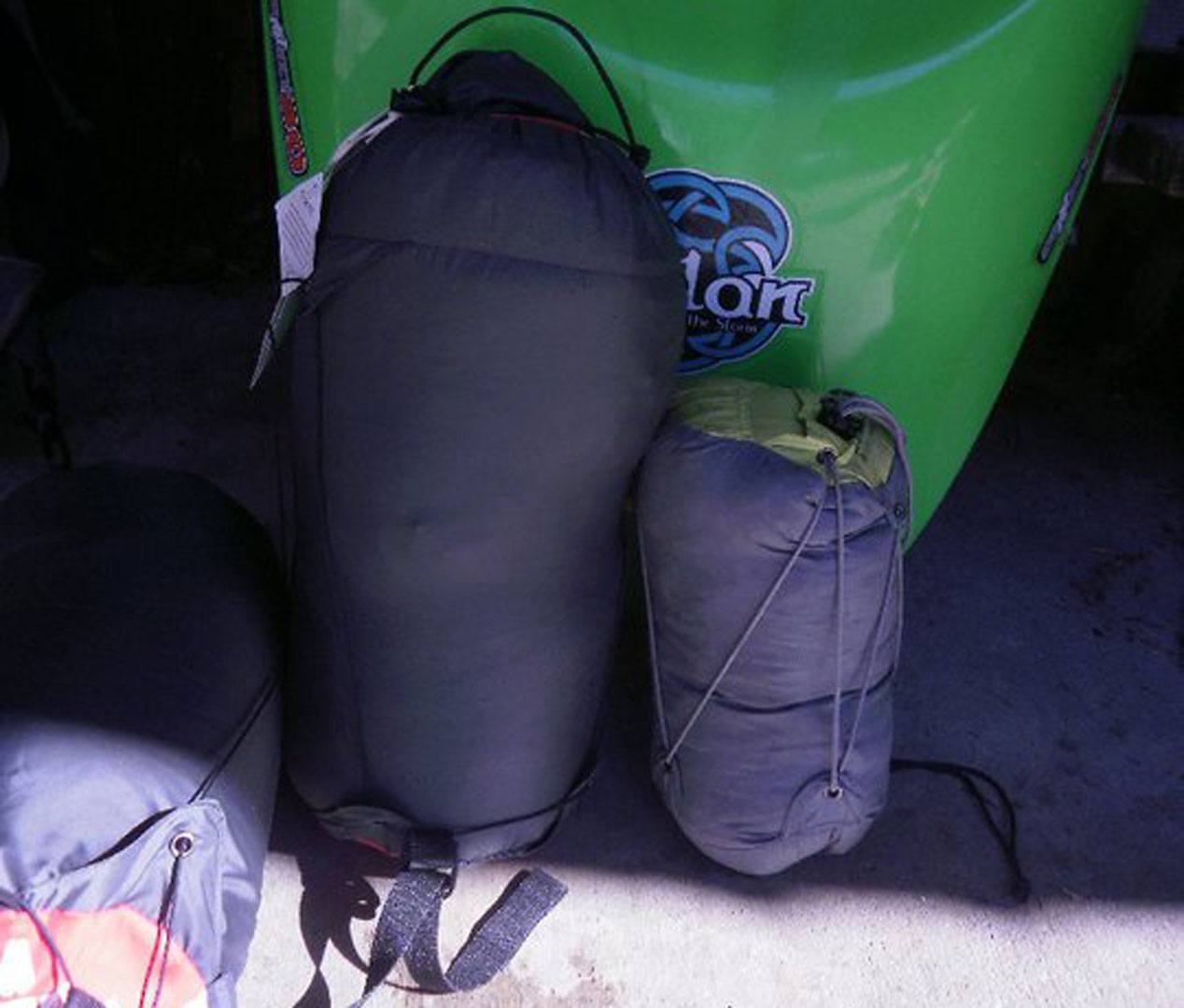
Higher-degree bags typically compress to much smaller sizes than sleeping bags rated for colder temperatures. Pictured: a 20° F synthetic sleeping bag (left) vs. a 40° F synthetic sleeping bag (right).
If you’re going to use a tarp instead of a tent, you may want a slightly warmer bag. A sleeping bag liner could add a few degrees of warmth to your bag. A sleeping pad with a higher R-value could boost your warmth, too. And, of course, consider the clothes you plan to sleep in and how warm they’ll help you stay.
There’s also some general sleeping bag and gear-related advice the ATC recommends for hikers on the Trail:
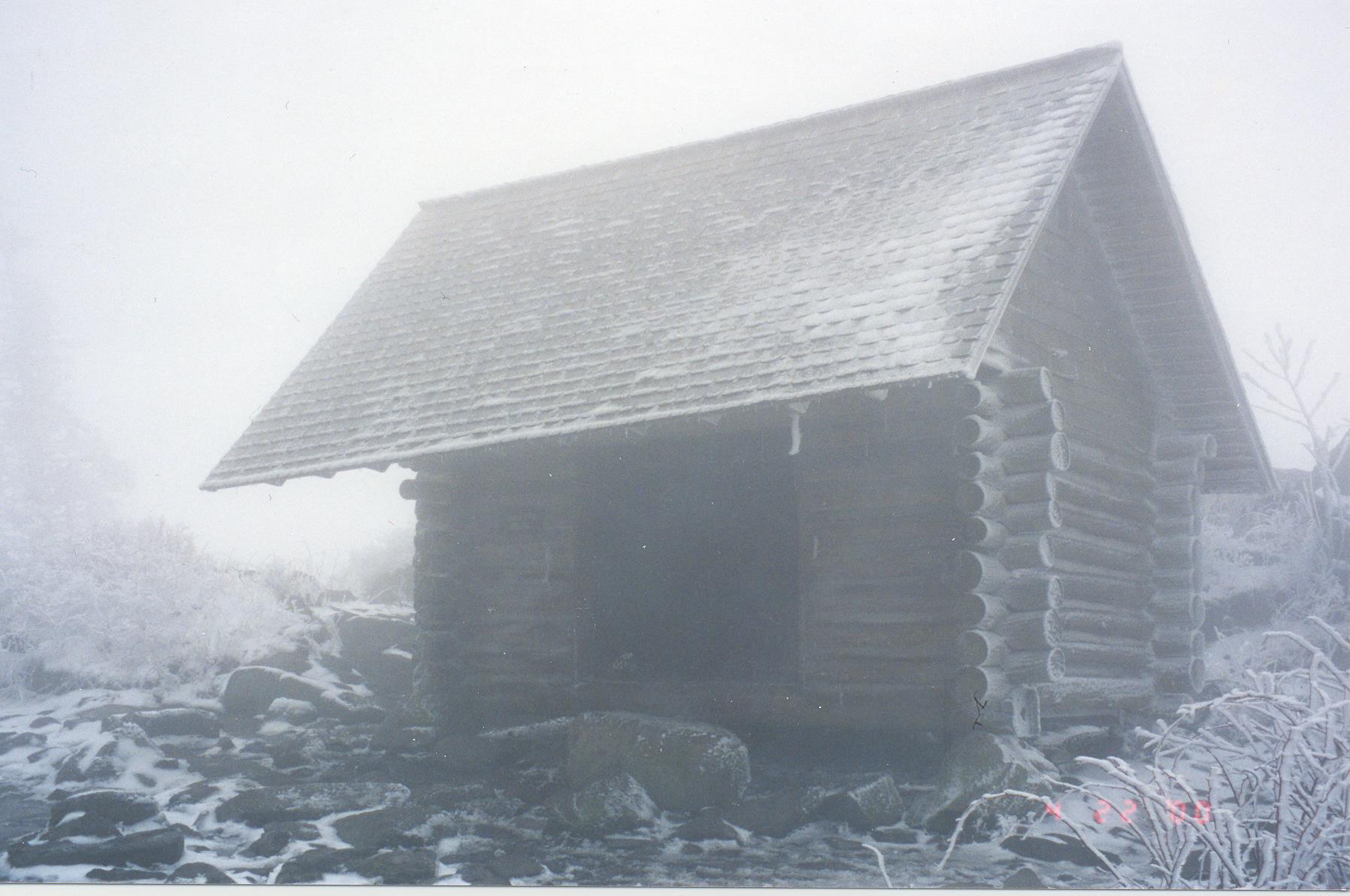
Be prepared for the coldest potential temperatures you might experience on your hike — temperatures and conditions can change quickly even when the forecast is favorable. Photo by Lewis and Becky Moyers
Whether you’re out for six months or six days, a good sleeping system that is appropriately rated for you and the weather can make a big difference. Keep in mind, though, that bringing the right gear is only one part of planning ahead and preparing for your hike. Visit our Hiker Resource Library for important information about the other Leave No Trace principles, permits, and Frequently Asked Questions, and don’t forget to register your hike at ATCamp.org.
Still have questions? You can always contact us by phone or email.

Your gift for the A.T. will go 2x as far with the 2,000-Miler Match!
A group of 2,000-Milers are matching every gift made to the ATC up to $101,000 before 3/31.
Give Now