What A.T. Hikers Wish They Knew Before Their Journey
Feb 19, 2026

Feb 19, 2026

Many people dream of hiking the Appalachian Trail (A.T.), and every year, thousands of people turn their dreams into reality by setting out to hike some or all of the Trail. Aspiring A.T. thru-hikers, section hikers, and backpackers can learn a lot from those who hiked before them, which is why we’re sharing some of the takeaways of our 2025 long distance hiker survey.
Each year, the ATC sends an optional survey to everyone who registers a trip on ATCamp.org, our voluntary hiker registration platform. Survey responses provide insights about hikers’ experiences and help the ATC, A.T. Clubs, and other partners make effective Trail management decisions with hiker feedback in mind. One of the questions in the survey asks hikers to identify the skills they wish they had during their trek. The responses highlight both the complexities of the Trail and the need for careful preparation and education for those embarking on this transformational journey.
In addition to sharing the most frequently reported skills (indicated by the percentage of survey respondents next to each skill), we’ve compiled resources to help you learn more about each of these skills so that you can be prepared for the challenge of the Trail.
Approximately one in five survey respondents identified a need for more preparation for dry sections of the Trail. This skill was added as an option in the 2025 survey after land management partners identified expanding drought conditions. More hikers are finding that A.T. water sources go dry in the summer and fall. This is especially true for any sources labeled as “seasonal” in guidebooks and in the Mid-Atlantic region (WV – NY).
People sometimes leave water caches for hikers as well-intentioned trail magic. However, we recommend against this practice as it tends to lead to more litter on the Trail. Water caches are also unreliable, and hikers should not plan their hydration based on their availability. Learn more about how to be intentional with trail magic from A.T. Ridgerunners.
We recommend having the capacity to carry at least two liters of water, but how much water you carry at any given time depends on how far you plan to hike, the distance to the next water source, and current conditions. Be prepared by having a hydration plan before you start your hike.
Water & Water Treatment Skills
Nearly one in five respondents also expressed a desire for improved navigation skills. While the A.T. is well-marked overall, there are sections where the white blazes might be faded or absent, and cloudy or foggy weather can obscure markers. Blazes and Trail signs are also less frequent in designated wilderness areas, in accordance with wilderness management regulations. Being able to use a map and compass in addition to a GPS device can make the difference between staying on track and getting lost.
Blazing and keeping the footpath clear is primarily done by volunteers. You can help support this work by volunteering with your local A.T. Club!

Proper food storage protects your fellow A.T. hikers and wildlife. Improperly stored food can attract bears, mice, and other animals, creating dangerous encounters, harming the health of wildlife, and habituating wildlife to humans. The ATC strongly recommends hard-sided bear canisters as the simplest and most reliable method for storing food on the A.T.
Some sections of the A.T. include bear boxes or cables for food storage, while in other places, you’ll need to store your food and other scented items inside a bear canister or practice the proper food hanging technique. Regardless of where you are on the Trail and what storage method you’re using, this skill is critical for every overnight hiker.
Don't Feed the Bears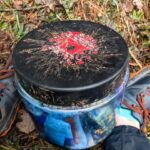
Flooding streams present a significant hazard, particularly after heavy rain or snowmelt. Many hikers wish they had known how to assess water levels, locate safer crossing points, or wait for conditions to improve. Proper preparation for these situations can save your life.
Closely related to flooding streams, unbridged stream crossings require careful judgment and techniques to maintain balance and safety. Understanding how to identify stable footing and minimize risks can reduce the likelihood of falls or hypothermia.
River & Stream Crossing Skills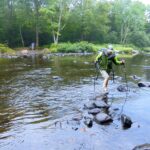
Crossing Pleasant River, Maine
Leave No Trace principles emphasize proper waste disposal, yet over 7% of hikers wished they were more skilled at disposing of waste. Digging a cathole to the appropriate depth and distance from water sources is not only courteous to fellow hikers, but essential for keeping everyone healthy and protecting the environment.
Pooping like a Pro
Waterborne illnesses can quickly derail a hike. While many hikers carry water filters or purification tablets, not all are confident in their use. Understanding different treatment methods and when they’re necessary is a vital skill for safe hydration on the Trail. Note that not all water treatment methods are effective at killing norovirus.
The CDC provides useful guidelines about about each filtration method’s effectiveness.

Interested in learning more A.T. skills? Our Hiker Prep Series is the perfect place to start!
We believe everyone should have the chance to experience the Trail, whether for an afternoon or the duration of a thru-hike. As the nonprofit responsible for managing the A.T., part of our work is to inform, equip, and inspire visitors to have positive experiences on the Trail. This work grows stronger with your support. Consider becoming a member or donating today.

Your gift for the A.T. will go 2x as far with the 2,000-Miler Match!
A group of 2,000-Milers are matching every gift made to the ATC up to $101,000 before 3/31.
Give Now