5 Reasons to Carry a Bear Canister (That Have Nothing to Do with Bears)
Apr 2, 2026

Apr 2, 2026
Should you carry a bear canister on the Appalachian Trail? More hikers are discovering that carrying a hard-sided bear canister doesn’t just protect wildlife; they also provide flexibility and convenience to hikers as well.
Whether you’re looking for more freedom in choosing a campsite, avoiding the frustration of having to do a PCT-style hang every night, or wanting to keep mice out of your food, there are many benefits to carrying a bear canister.
Here, we’ve included the top 5 reasons (besides the obvious one of protecting bears) why A.T. hikers choose a hard-sided bear canister over other food storage methods on their hikes.
Carrying a hard-sided bear canister gives you more freedom at the end of the day. Instead of planning your mileage around where food storage lockers or cables are available, you can stop when you’re ready to stop.
That means:
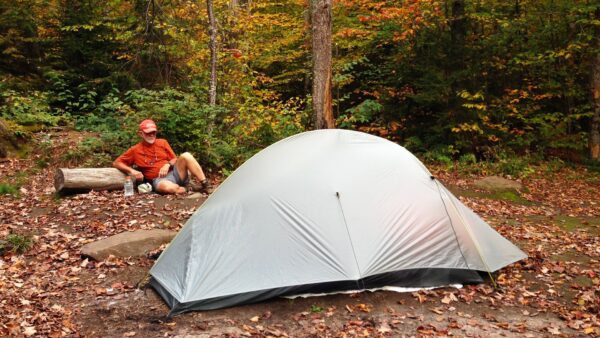
After a long day of hiking, the last thing most people want to do is search for the perfect tree, throw a line over a branch, and achieve a proper PCT hang, especially if it’s raining or getting dark. Additionally, because of Hurricane Helene, there may be fewer trees to choose from to hang your food on some sections of the Trail.
A hard-sided bear canister saves time and frustration and covers you if there are no suitable trees to hang your food from. Instead of spending precious daylight fighting with a hang line, you can:
Food storage isn’t only about bears. In many places along the Trail, small rodents are a huge problem for hikers. Mice, chipmunks, and other small animals can chew through food bags quickly. Like bears, once rodents learn that campsites mean food, the problem only gets worse.

According to the Centers for Disease Control and Prevention, a mouse can fit through a hole the size of a pencil, which means they can easily get into most bear boxes. Elsewhere, the ATC has received reports of critters jumping onto food bags hung on bear poles and cables. That’s why a secure, hard-sided container keeps your food safe from both large animals and small ones that cause the most day-to-day issues for hikers.
This is one of the biggest reasons hikers carry canisters from the start of their trip: in some areas on the Trail, they’re required.
Hard-sided bear canisters are required for camping between Jarrard Gap and Neel Gap in Georgia from March 1 to June 1 each year.
Food-storage regulations are in place on nearly half of the Appalachian Trail, and hikers are encouraged to research the rules for the specific section they’re visiting before they go.
The ATC has also adopted a policy recommending that all overnight visitors carry a hard-sided bear canister because bear encounters have been increasing, and traditional food hangs are becoming less effective in some areas.
Plus, then you’ll have the canister and know how to use it for future adventures! Whether you’re heading to the Adirondack High Peaks for a weekend or planning another thru-hike on the Pacific Crest Trail or Continental Divide Trail, you’ll have your bear canister ready to go for other trails where a hard-sided canister is required for all or part of your trip.
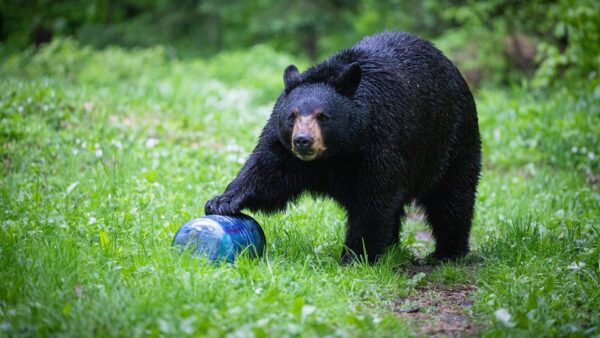
One of the biggest reasons hikers have chosen not to carry hard-sided bear canisters in the past was bulk and weight. However, gear has changed a lot in the last few years.
There are now more compact and lightweight options designed specifically for backpackers and long-distance hikers. Newer models are easier to pack, easier to use, and more practical for long sections of the Trail. Other innovations in modern backpacking gear mean that it’s now easy to keep your base weight down even when carrying an expedition-sized canister. You might find that other options — like carrying rope or a soft sided bag with a bear proof insert — are around the same weight as a bear canister.
Carrying a hard-sided bear canister does mean you’ll be carrying an additional piece of gear. However, aside from freedom, flexibility, and convenience for hikers, the biggest reason to carry a hard-sided bear canister is because preventing bears from getting hiker food is one of the best ways to minimize habituation and conflict with people.
Many hikers have heard the refrain that “a fed bear is a dead bear.” Responsible food storage can literally be a matter of life and death for the bears that live in the A.T. landscape. Especially as bear populations along the Trail continue to increase. It only takes one instance of improperly stored food for a bear to learn harmful habits, so it takes the entire A.T. community working together to protect each other and the wildlife that makes the A.T. experience unforgettable.
Learn more about proper food storage and bear safety before your next A.T. hike.