How the 2027 Budget Request May Affect the Appalachian Trail: Part 2
Apr 23, 2026

Apr 23, 2026
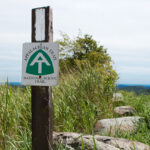
With the release of the President’s Budget Request for Fiscal Year 2027, the ATC has identified some top-line proposed shifts that would significantly impact the federal partners that are essential to the Appalachian National Scenic Trail’s cooperative management—the National Park Service (NPS) and USDA Forest Service (USFS)—as well as funding sources that could advance the stewardship and protection of the Trail and its landscape. Part I focused on the NPS. This post provides insights into some of the proposed changes to the USFS that are of most concern to the A.T.
The USFS plays an important role in stewarding 193 million acres of national forests and grasslands across the U.S. and advancing vital conservation work. Of the Appalachian Trail’s 2,197.9 miles and 16.9 million recreation visits, approximately 47 percent are on National Forest System lands managed across large, multi-state regions in eight national forests.
A broader reorganization of the Forest Service is already underway, including staff reductions in 2025, a shift from regional offices to state offices, and the plans to relocate USFS headquarters from Washington, D.C. to Salt Lake City, Utah. The ATC will be closely monitoring if these structural changes, once implemented, will disrupt the trust resource management and support provided to states, localities, and tribes as well as the connection of agency staff to the communities they serve.
We are concerned about relocating the Chief and national office from Washington, D.C., to Utah, which would place them farther from key federal partners and from Senators and Representatives across the country. A similar move was attempted with the Bureau of Land Management several years ago and was later reversed after significant losses in institutional knowledge and taxpayer resources.

White Mountain National Forest, New Hampshire
The President’s Budget Request would trim the USFS’s permanent workforce from roughly 30,000 employees to fewer than 12,000, reflecting both staffing reductions and broader structural changes, including the proposed transfer of wildfire responsibilities to the Department of the Interior.
The A.T. Cooperative Management System (CMS) relies on consistent engagement from USFS staff who are out working in the forests and in offices overseeing volunteer services, grants, and agreements. Without staff carrying out these critical functions and core responsibilities, the work of volunteers, A.T. Clubs, and partners to steward and maintain the Trail is hindered, directly impacting the efficiency of A.T.’s CMS. Amidst a persistent shortage of USFS personnel to support partnership work over the past decade, the ATC believes that the agencies should have the staffing levels required to effectively address the needs of the resources they manage and keep the A.T. and other National Forest System lands open and accessible.
The proposal also reduces investment in recreation infrastructure. Within the Capital Improvement and Maintenance account, funding for trails will decrease from $22 million in FY 2026 to $8 million in FY 2027, a reduction of nearly 64 percent. At the same time, the proposal will direct flexible infrastructure funding primarily toward road construction and access for timber harvest and away from recreation infrastructure and maintenance.
The President’s Budget Request places a significant focus on timbering, which plays an important role in maintaining forest health and can be compatible with A.T. management. The request does not reflect recreation, however, which ATC believes is unfortunate.
Outdoor recreation on National Forest System lands supports approximately $15.2 billion in economic output and nearly 178,000 jobs each year, which is more than timbering and mineral extraction combined. Recreation, which is driven by the natural, scenic, historic, and cultural values the Trail was created to protect, provides consistent, sustainable economic activity for local communities and represents a significant component of the Forest Service’s multiple-use mission. Supporting the National Forest System as a recreational destination for millions of Americans (including volunteers) is something the ATC believes is a missed opportunity for the USFS and something that could have received closer attention in the President’s Budget Request.

Nantahala National Forest, North Carolina.
The proposed repeal of the Roadless Area Conservation Rule could further expand the Forest Service’s road network, increasing long-term maintenance responsibilities. About 80% of the USFS’s approximately $10 billion deferred maintenance backlog is in transportation infrastructure, including disused roads that cannot be rewilded.
A few positive changes in the Fiscal Year 2027 USFS budget proposal include funding from the Land and Water Conservation Fund (LWCF), a program foundational to the Appalachian Trail. In 2020, President Trump signed into law the Great American Outdoors Act, his first term’s signature conservation achievement which permanently funded LWCF and established the Legacy Restoration Fund (LRF). The Trail would not exist in its current form without the LWCF, and the thousands of projects supported by the USFS and NPS.
The budget request also calls for reauthorization of the expired Legacy Restoration Fund (LRF), which has addressed deferred maintenance across federal lands. For the Appalachian Trail in New England—among the oldest, most heavily traveled, and most stewardship intensive sections of the A.T.—this funding is enabling the planning and implementation of tread and infrastructure improvement projects. Maintaining both the LWCF and LRF as distinct and fully supported funding streams is critical for the Appalachian Trail. The ATC looks forward to working with Congress and the Administration to protect LWCF and reauthorize the LRF so the nation may continue addressing deferred maintenance on public lands.
The FY 2027 proposal reflects significant changes for the Forest Service, and the ATC will continue to work with the House and Senate Appropriations Committees to share what aspects of the President’s Budget Request are a priority for the Appalachian Trail and its cooperative management. Ensuring strong federal capacity, supporting partnerships, and sustaining investment in recreation infrastructure will be critical to effectively managing resources like the Appalachian Trail.
What matters most to the Appalachian Trail Conservancy is the care and management of the resource (the A.T.) and the people who steward it (our agency and NGO partners and volunteers). The ATC remains committed to working with the USDA Forest Service and other partners to ensure the long-term health of the Trail.


There’s still time to complete 25 of 100 fun A.T.-inspired activities by September 7 for a chance to be one of ten grand prize winners!
Join the Challenge