Staying Healthy on the Trail

Water & Water Treatment
Learn how to find, treat, and carry water safely on the Appalachian Trail.
Water Safety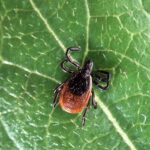
Ticks, Tick-borne Diseases & Prevention
The greatest risk to your health and safety while hiking the Appalachian Trail is contracting a tick-borne disease.
Be Tick Smart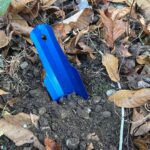

Norovirus & Stomach Bugs
Understand how to stop the spread of norovirus on the Appalachian Trail by practicing good hygiene, proper water treatment, and avoiding shared gear.
About Norovirus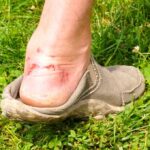
Common Injuries
Most A.T. injuries come from overexertion, so it is important to listen to your body, train ahead of time, and test your gear to help keep your hike safe and enjoyable.
Injury PreventionHygiene Basics
Staying on top of your basic hygiene while in the woods can go a long way to keeping you healthy and comfortable on your hike. Basic hygiene can also prevent potentially hike-ending illness like norovirus and tick-borne illnesses. Staying at least somewhat clean is also a huge morale boost on a long hike!

Wash your hands with soap and water whenever possible or use hand sanitizer after pooping or using a privy.

Pack out everything you bring into the backcountry except poop and pee. Poop should go in a privy or in a 6-8 inch cathole dug at least 70 big steps from water, trails, and campsites.

Change your clothes and shower as soon as possible after you get home or into town. This can help prevent tick bites.

Do a tick check at the end of every day!
Staying Clean in the Backcountry
- Those who squat to pee may want to bring a dedicated “pee rag” to keep clean and prevent chafing. Using a pee rag also means you don’t have to pack out toilet paper when you pee! Your pee rag can be a bandana, small towel, or even a specially made cloth just for this purpose. Hang it on the back of your pack so it dries between uses and throw it in your laundry when you get home or to town.
- Avoid using scented products on the Trail. This can attract wildlife, and mosquitoes are attracted to some perfumes!
- Wash hands with soap and water vs. hand sanitizer. Hand sanitizer is not always effective against norovirus, plus using soap and water leaves you feeling much cleaner than hand sanitizer. Always wash hands at least 200 feet from water sources.
- Remember that all wipes need to be packed out – never throw wipes in a privy or put them in a cathole. Even wipes that are branded as biodegradable or compostable.
Showers
Showers are rarely available right on the A.T. Hikers usually shower while at hostels or hotels in towns; less common are campgrounds with shower facilities.
After spending even just two- or three-days hiking, it’s inevitable that you’ll get a bit stinky. Or very stinky. It is a nice courtesy to shower first thing when you reach town before going out to eat or resupplying.
Most hikers do not bathe in the backcountry. But, if you do want to, carry water 200 feet or 70 big steps from the water source and rinse or wash yourself away from streams, springs and ponds. Or dampen a cloth and wipe down. Never use soap (even biodegradable soap) in rivers, ponds, or lakes on the Trail. This disturbs the aquatic ecosystem in these fragile places.
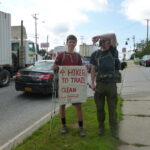
James Fotheringham
Periods on the Trail
Folks who have periods often wonder how to deal with them on the A.T. Here’s some tips for menstruating in the backcountry.
- Choose period products that (1) you are most comfortable using and (2) are easiest to use in the backcountry. Keep in mind that you won’t have access to running water in the woods. So, while reusable products like cups and underwear cut down on trash, you may not be able to clean them, or your hands, properly between uses.
- Wash your hands with soap and water or use hand sanitizer before and after changing your tampon, pad, emptying your cup, etc.
- If you use disposable products, pack them out. Pads, tampons, applicators, etc. all need to be packed out and disposed of in town or at home. Never put these items in privies or catholes because they do not decompose.
- Some folks prefer to have a special trash bag just for used period products and wrap duct tape around the bag for more discretion. Or you can put them in your regular trash bag.
- You should store your used products with your other food, trash, and smellables at night. However, there is no evidence that black bears are attracted to period blood.
- If you use reusable products like cups, discs, or period underwear, wash them at least 200 feet or 70 big steps away from water sources, campsites, and trails. Period blood should be emptied into a privy or a cathole at least 6 inches deep if no privy is available.
Special considerations for long-distance hikers and thru-hikers:
- You may want to track your cycle and consider how it impacts your energy levels. You may feel fatigued in the days leading up to your period, have a bigger appetite, or have a point in your cycle when you feel like a superhero. Aligning your hiking plans with these changes, such as planning lower miles when you’ll be more tired, big miles when you have more energy, and packing extra snacks can all improve your experience on the Trail and prevent minor trip and fall injuries.
- If you are prone to yeast infections and urinary tract infections, talk with your doctor about preventative strategies or emergency medication for longer trips. Many sections of the Trail are deep in the backcountry, and you could be days from medical care.