What Georgia Ridgerunners Wish You Knew About Staying Healthy on the A.T.
Mar 26, 2026

Mar 26, 2026

Each spring, as thousands of eager hikers set out on the Appalachian Trail (A.T.) in Georgia, a dedicated team of Ridgerunners is already at work helping to care for the Trail and hikers.
With a competitive selection process, extensive trail experience, and rigorous training in Leave No Trace, wilderness first aid, and local regulations, Georgia Ridgerunners have lots of wisdom to share on recreating responsibly and preventing injuries and illnesses that take many hikers off the Trail.
In the ATC’s survey of 2025 hikers, injury and illness made up 52% of the reasons people ended their hikes last year.
That number has trended upwards since 2019 when the ATC began asking hikers what factors ended their thru-hike.
For all hikers, and especially those starting northbound thru-hikes, staying healthy and avoiding injury at the beginning of the hike can be the difference between making it to Katahdin or needing to leave the Trail early.

Meet the 2026 Georgia Ridgerunners
Georgia Ridgerunners, Hudson, Gill, Emma, and Kevin share their best tips to prevent injuries and illnesses in the crucial early stages of an A.T. hike.
Hudson’s Tip: Be sure to prep your gear ahead of time and know when to use it!
I have met many hikers on the Trail with good gear to prevent injuries like anti-chaffing ointment, leukotape for blisters, and electrolytes for hydration. Unfortunately, many times people don’t want to take a break to properly use the tools they’ve brought, instead opting to try and push through. Additionally, some hikers bring new gear that they haven’t used before.
Taking some time to orient yourself with your gear beforehand and using preventive cures early will help keep you healthy on the Trail. An ounce of prevention is worth a pound of cure!
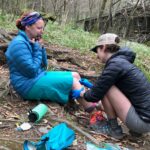
Gill’s Tip: Wash your hands!
Norovirus has become far more common on the A.T., and getting sick on your thru-hike is not fun. Using bio-degradable soap can help prevent the spread of norovirus, which is not killed by hand sanitizer. After using a privy or digging a cathole, be sure to wash your hands with soap before you touch anything else. Be mindful when sharing food with other hikers or taking food from anyone.
If you do get sick, it’s best to get leave the Trail until your symptoms are gone to prevent spreading it to others. Also be sure you’re properly disposing of your waste. If you’re digging a cathole, remember to go at least 70 steps from the Trail and water sources, and dig 6-8 inches down. Always pack out or bury your toilet paper!
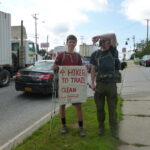
James Fotheringham
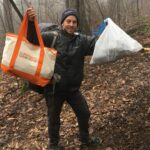
Emma’s Tip: Be mindful of your trash, even the small stuff.
As a Ridgerunner, I spend a lot of time picking up trash. Everyday, I pick up innumerable pieces of gum, Zyns, and cigarettes.
Although we hope hikers will be mindful of disposing properly of all trash, being especially conscientious of items that have been in contact with your salvia or any other bodily fluid that could spread germs or diseases to other hikers is really important and appreciated by everyone on the Trail.
Laurie Potteiger
Kevin’s Tip: More hikers should take the time to learn about Leave No Trace principles before starting the Trail.
To me, it’s a lot like going to a friend’s house; you don’t wait until you’re already inside to figure out how to act. You show up knowing how to treat the place, how to carry yourself in shared space, and how not to leave a mess behind. The A.T. deserves the same respect. In Georgia, where so many people are just starting out, a few bad habits can ripple outward quickly. If you’re preparing to hit the Trail, take a few minutes to learn and commit to these principles before you go.
The first Leave No Trace principle is Plan Ahead and Prepare. This is where injury and illness prevention really starts. Prepare for the physical challenge of the Trail, and plan to bring essentials that will help you if you are sick or injured. That kind of preparation protects not only you, but also the people who come after you.
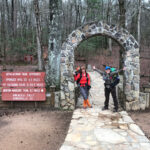
Ridgerunners play a vital role in keeping the Appalachian Trail in Georgia (and most other Trail states) safe and enjoyable for all. Their guidance helps hikers navigate challenges and minimize their impacts on the Trail.
Learn More about A.T. Ridgerunners
Heading NOBO this season? Be sure to check out what A.T. Ridgerunners in the Smokies wish you knew about their section.