What A.T. Ridgerunners Wish You Knew About the Great Smoky Mountains
Jun 4, 2026

Jun 4, 2026
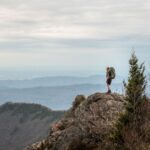
In the Great Smoky Mountains, a dedicated team of Ridgerunners works to care for the Appalachian Trail and hikers. With a competitive selection process, extensive outdoor experience, and rigorous training in Leave No Trace, wilderness first aid, and local regulations, ATC Ridgerunners have lots of wisdom to share to help hikers have a safe and rewarding experience on the Trail. Smokies Ridgerunners Dennis and James share their tips for recreating responsibly and staying healthy through this iconic section of the A.T.
Almost every year, the section of the A.T. through the Smokies sees several cases of norovirus as the northbound thru-hiking bubble arrives. Norovirus is a highly contagious stomach bug that causes inflammation of the stomach and intestines, leading to vomiting, diarrhea, nausea, and stomach pain. Contracting norovirus can be especially dangerous on the A.T., as hikers risk severe dehydration if they cannot replace lost fluids. I recommend the following steps to avoid catching norovirus or other illnesses in the Smokies:
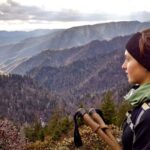
I also urge hikers to consider how their actions will impact the environment and hiking community rather than simply what is easiest or most convenient in the moment. This is my advice on shelter etiquette:
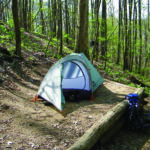
Since overnight hikers are required to sleep inside the shelters in the Smokies, many visitors are understandably concerned about the spread of germs, particularly norovirus. To that end, I wanted to share some tips as someone who has thru-hiked the A.T. twice and has spent three seasons working as a Ridgerunner. I have never gotten norovirus while hiking and have spent the majority of my nights on the Trail sleeping in shelters.

The Smokies are at a higher elevation than other parts of the Trail, which means they may experience colder temperatures. Remember to keep your water filter close to your body as you hike if temperatures are near freezing. If a water filter ever freezes, it likely will not work properly, and you may get sick from pathogens in the water.
Most hikers know to sleep with their filters on cold nights, but I’ve witnessed many people hiking along the Trail with filters still attached to their icy bottles on subfreezing days. Hike with it in your pocket on those extra-cold days. If you ever suspect your filter may have frozen, play it safe and pick up a new one as soon as possible. Similar to our earlier tips, you may also want to avoid borrowing someone else’s water filter.
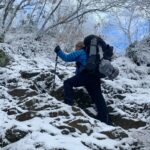
The Great Smoky Mountains draw thousands of visitors each year with their sweeping views, rich biodiversity, and unforgettable hiking experiences. They can also present unique challenges, from the spread of illness in high-use areas to cold-weather hazards at high elevations and the impacts of heavy visitation.
For Dennis and James, the keys to a successful Smokies hike come down to preparation and respect for the Trail, the landscape, and fellow hikers. Small actions like washing your hands properly, cleaning up after meals, and staying in designated shelters and tent sites help protect the Smokies while keeping both you and the hiking community healthier and safer.
Whether you’re thru-hiking or enjoying a weekend adventure, the choices you make matter. By following Leave No Trace principles and heeding the advice of those who spend their seasons caring for this place, you can help ensure the Great Smoky Mountains remain a welcoming and resilient destination for everyone who follows in your footsteps.