The Seven Leave No Trace Principles as Winter Olympic Events
Feb 5, 2026

Feb 5, 2026

Are you ready to go for Leave No Trace gold? In celebration of the Winter Olympics, we’ve imagined each of the seven Leave No Trace principles as Winter Games events.
Biathlon is a demanding winter discipline that combines two very different skills: cross-country skiing and rifle shooting. To be successful, athletes need to balance physical endurance with technical precision. Planning a visit to the Appalachian Trail also requires this double skillset. Hikers should plan for the physical challenge of the Trail, while considering logistics like weather conditions, food and food storage, emergency gear, and any permits they need.
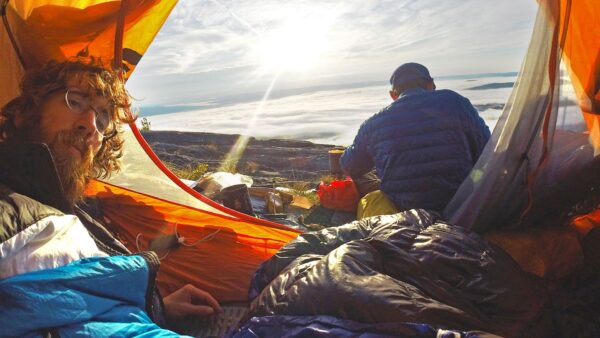
The oldest form of skiing, cross-country skiing was born in northern Europe because of the need to travel for long distances across snowy terrain. In cross-country events, athletes must stay on the designated course, navigating efficiently to stay on track. Similarly, Appalachian Trail visitors should stay “on the course” by following the marked Trail and choosing campsites wisely. Learn more about choosing a campsite.
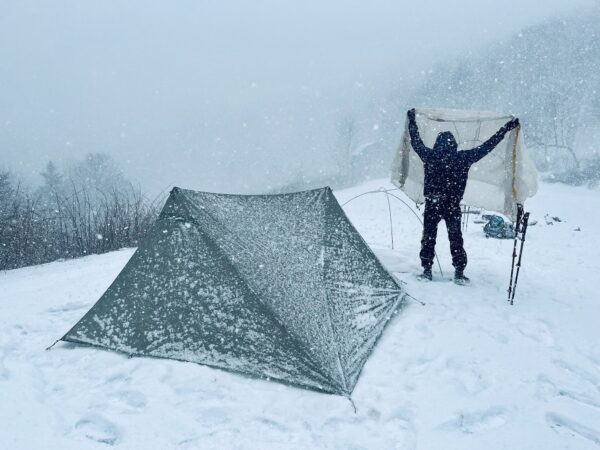
A snowy campsite near Overmountain Shelter in North Carolina. Photo by Brian Corbett @ourownflow
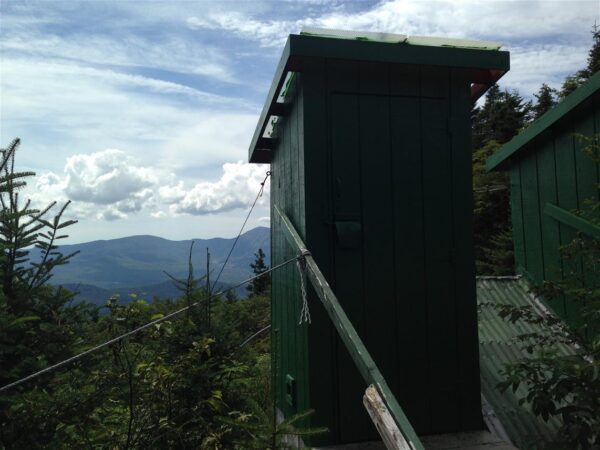
Curling is a highly strategic, precision-based team ice sport where players slide 44-pound granite stones down a long sheet of ice toward a target, known as the “house.” Disposing of waste properly on the A.T. requires that same level of care. Whether packing out trash, using privies when available, or responsibly managing human waste, Trail visitors should be precise and deliberate, making sure everything ends up where it belongs.
Speed skaters are highly efficient athletes who don’t make any unnecessary moves that could slow them down. On the Trail, hikers should adopt a similar philosophy to enjoy the natural beauty that surrounds them. Be smooth, precise, and stay in the groove of moving across the landscape. Don’t lose your momentum by stopping and taking rocks, plants, or cultural artifacts with you. Just like speed skaters share the ice in a race, we all share the Trail with other hikers, plants, and animals. It’s everyone’s responsibility to leave what they find so the Trail can thrive and other visitors can enjoy it

Barren Mountain in the 100 Mile Wilderness. Photo by Eddie “EdBeard” O’Leary
Ski jumpers don’t take flight unless conditions are just right. Wind, weather, and surface conditions all determine whether a jump is safe or should be skipped. Campfires on the A.T. deserve the same careful judgment. Before making a fire, visitors should always check local fire danger, regulations, and conditions. Ski jumping also requires precision, which mirrors choosing low-impact cooking methods like camp stoves over open fires whenever possible.

Figure skating demands control, awareness and grace. When it’s done by world-class athletes, the result is breathtaking. However, each movement is intentional, and even small missteps can throw off an entire performance. Visiting the A.T. is a similarly delicate dance with wildlife. Respecting animals means observing from a distance, storing food properly, and allowing wildlife to move naturally through their habitat. Practicing careful movement and restraint on the Trail helps protect animals and allows for the awesome experience of observing wildlife engaging in their natural behaviors.
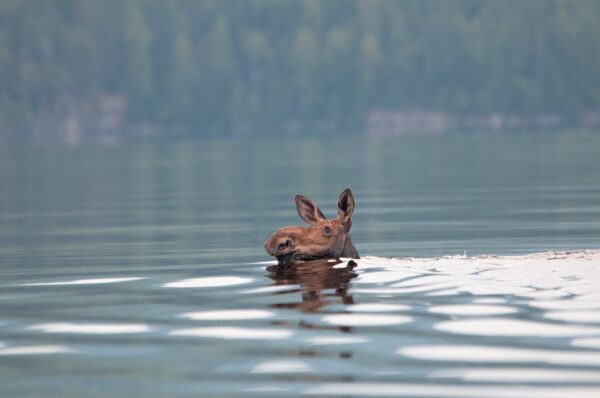
Moose in Lake Umbagog – Umbagog National Wildlife Refuge, Maine/New Hampshire.
Hockey is a fast-paced team sport that relies on rules, communication, and sportsmanship to keep the game fair. On the Trail, being considerate of others keeps the experience positive for everyone. Yielding appropriately, sharing shelters and campsites responsibly, and keeping noise levels down all help visitors work together, just like a good team. After all, a great Trail experience for everyone is the goal.
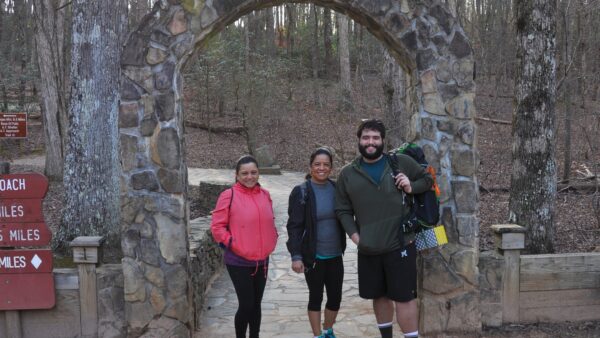
One major difference between the Olympics and practicing Leave No Trace is that it doesn’t take a lifetime of intense training to acquire the skills that can have a huge positive impact on the Appalachian Trail and other hikers. Anyone can be a Leave No Trace Olympian by brushing up on Leave No Trace basics and putting them into practice on the Trail.

Sign up for Trailway News and receive a fun A.T. inspired crossword puzzle.
Get your Crossword