The Truth About Fall Hiking on the Appalachian Trail
Sep 17, 2026

Sep 17, 2026
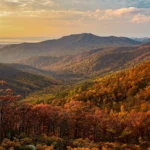
Each season on the Appalachian Trail comes with its own benefits and drawbacks — spring brings stunning wildflowers and muddy snowmelt; summer brings extra daylight and lots of heat and humidity; winter brings peaceful solitude and extreme cold. Autumn is no exception.
If you’re considering an A.T. hike this fall, the truth is that there are pros and cons to hiking this time of year. Here, we’ve compiled the list of pros to inspire you and the cons to help you prepare and overcome some of the challenges that this season brings.
Many hikers lace up their boots in the fall to see the leaves change, but we’re digging deeper to share some additional reasons why hiking the A.T. during autumn is one of the best times to experience the Trail.
Biting insects like mosquitoes and black flies start to disappear when cooler weather and early frosts arrive. While fall gives a break from summer pests, hikers should still do daily tick checks year-round.
Trail towns come alive in the fall with festivals, pumpkin patches, and football games. Plus, planning a day in an A.T. Community during the fall can be a helpful way to support local businesses as the busy hiking season slows down.
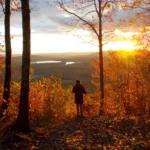
If you’re hiking to an overlook hoping for an unforgettable view, you may experience better visibility during the fall due to lower humidity and less haze. Plus, fall weather is usually sunnier with a lower chance of rain, further increasing your odds of a crystal-clear view.
Fall means that animals like bears, deer, elk, and turkey may be more active due to increased appetites and mating seasons, giving you a better chance to see them. Plus, as more leaves fall, it gets easier to spot wildlife through the trees. Remember that male elk are loud and may be aggressive, and proper food storage is especially important in the fall to protect bears and your food. Always keep a safe distance from wildlife (aim for 50 yards or 150 feet) and do not approach or feed wild animals.
The Appalachian Mountains are a bird migration superhighway, and hikers in the fall can catch the seasonal migration of songbirds and raptors! Songbirds like warblers, thrushes, and sparrows travel south throughout September, while raptors like hawks, eagles, and ospreys use the mountain ridge updrafts to glide southward in late September and early October.
Changing leaves aren’t the only source of autumn color. Species like goldenrod bloom in the fall and give hikers one last wash of color before winter arrives.

Summer on the A.T. is hot and humid, and fall can provide a break from these conditions. Whereas hikers sometimes need to start early in the morning to avoid the hottest part of the day in the summer, milder temperatures in the fall can open more possibilities for hiking into the afternoon.
Where there is beautiful fall foliage, there are almost certainly crowds gathering to see it. Beyond the leaf-peeping crowds, here are some surprising reasons why fall A.T. hikes are more challenging.
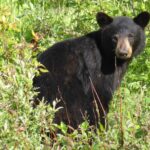
Black bears live in all 14 Trail states, and their behavior alters in the late summer through fall. During these months, bears significantly increase their food consumption to prepare for winter when natural food is less available. According to the North Carolina Wildlife Resources Commission, bears can gain 3 pounds of bodyweight per day during the fall and gain anywhere from 20% to close to 100% of their summer weight! Bears have a strong sense of smell and will try and get hiker food if it is not stored properly. It is important to use a hard-sided bear canister all year long, but hikers should be extra diligent about food storage during the fall.
Female ticks lay thousands of eggs (often 3,500 to 5,000+ per tick) in the spring or early summer, which hatch into tiny six-legged larvae—sometimes called “seed ticks”—by late summer and early fall. Fall hikes may bring a higher risk of exposure to newly hatched tick larvae, particularly from species like the lone star tick, which emerge from August through early October.
After the peak summer hiking season, some businesses may switch to weekend-only or shortened hours. If you’re planning to visit a Trail town, check business hours first. Plus, be aware that visitor centers, access roads, and other hiker services may be closed.
Because of leaf litter, dry air, and seasonal droughts, fall often brings a heightened wildfire risk on the Trail. Always check local burn bans before having a fire. If no burn ban is in effect and you choose to have a campfire, always follow Leave No Trace principles to avoid starting a wildfire.
It may be a stunning blue bird day in a valley, but up on the ridgeline could be a completely different experience. During the fall, areas of the A.T. at higher elevations may experience sudden and dangerous weather shifts with extreme cold and snow. Always check the forecast for where you’re going and pack extra layers. If the weather conditions deteriorate, turn around and get back down to safety.

During late summer and early fall, natural springs and creeks begin to dry up. These seasonal changes make it difficult to collect water on the Trail, and hikers may need to carry more water.
The shades of warm golds and reds may be beautiful on the trees, but fallen leaves can camouflage the Trail as well as obstacles like rocks and roots. The fallen leaves can also be slippery, creating slip and trip hazards. Hikers should pay extra attention to blazes and signage when the Trail is obscured by leaves and be cautious when hiking over heavy leaf litter.
There is no bad time to hike the Appalachian Trail if you choose your route carefully and plan ahead. Time outdoors has countless physical and mental benefits, and autumn can be especially beautiful. With some planning and preparation, you can overcome some of the challenges that this season brings and have unforgettable fall adventures on the Trail.
Hike the Trail