A Century of Inspiration

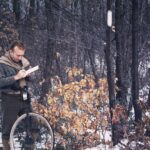
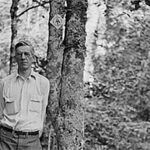
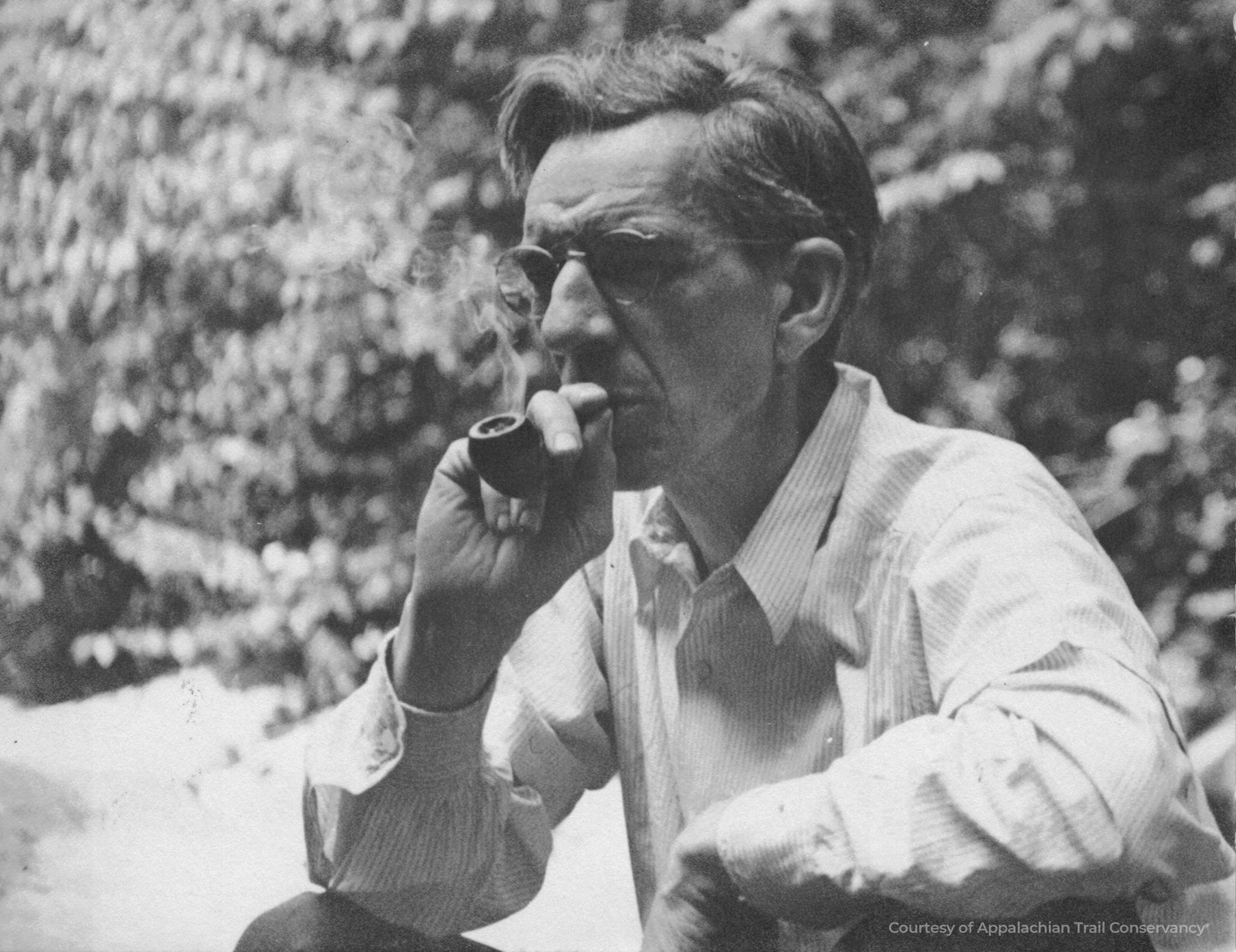
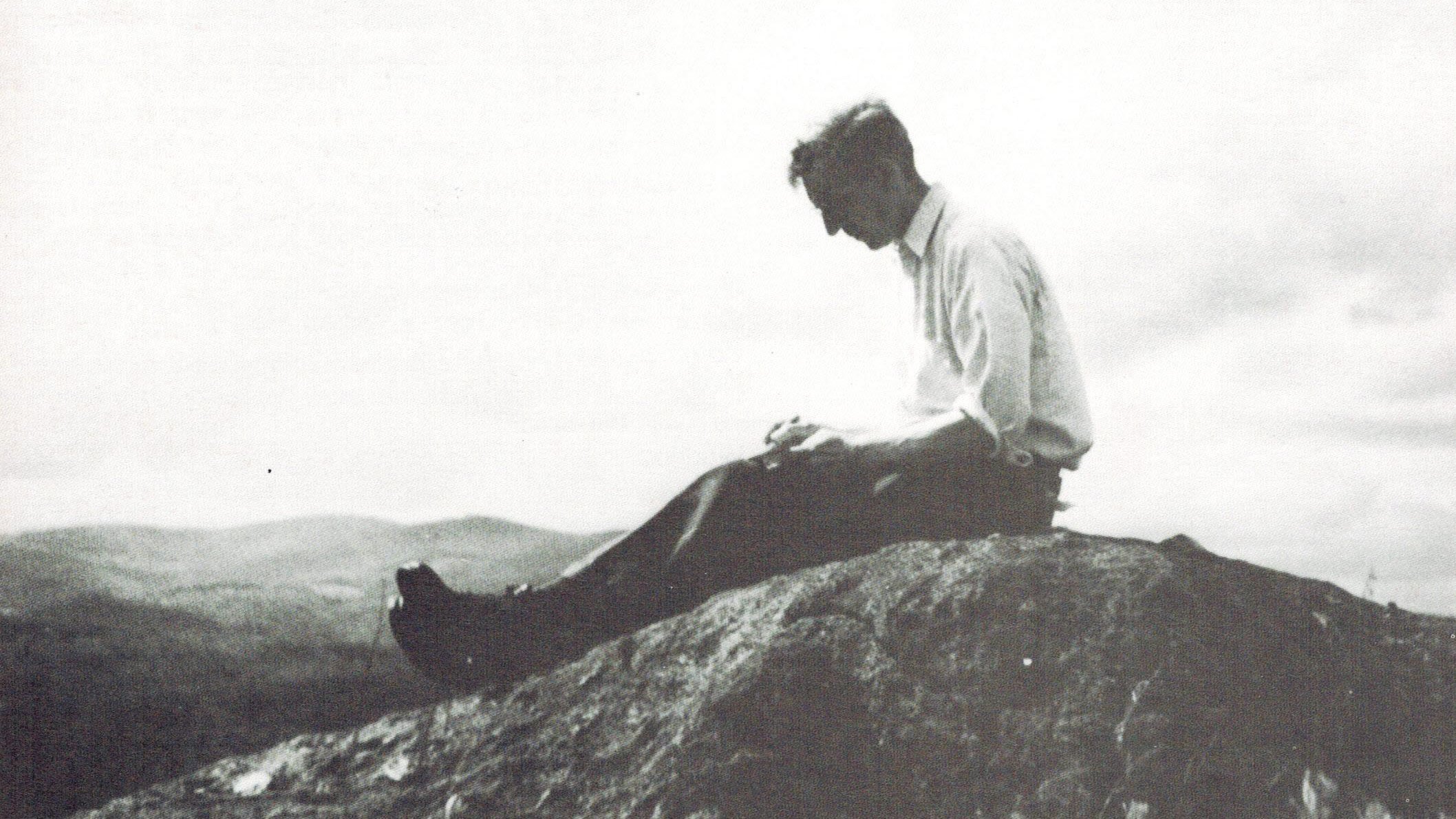
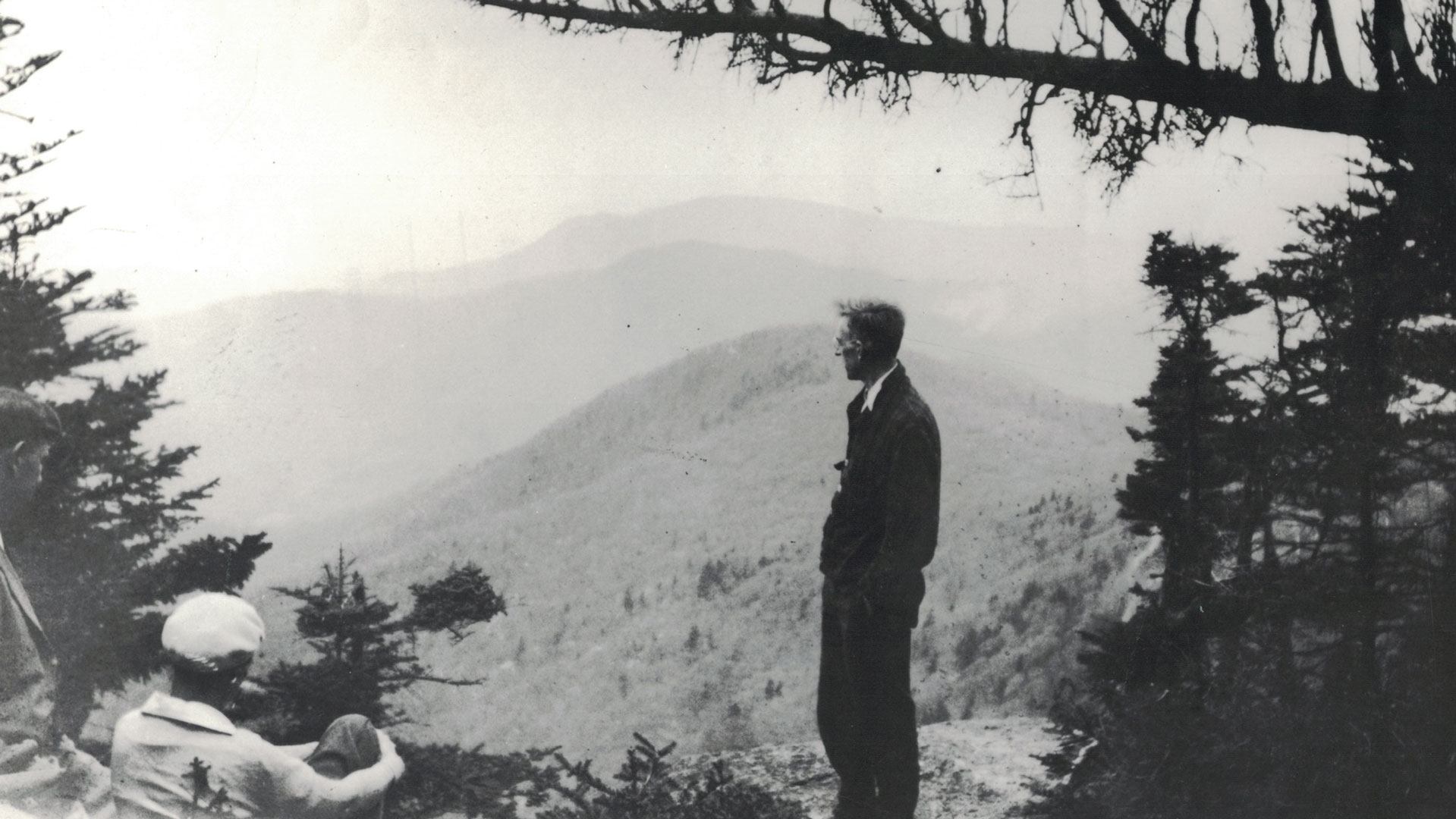
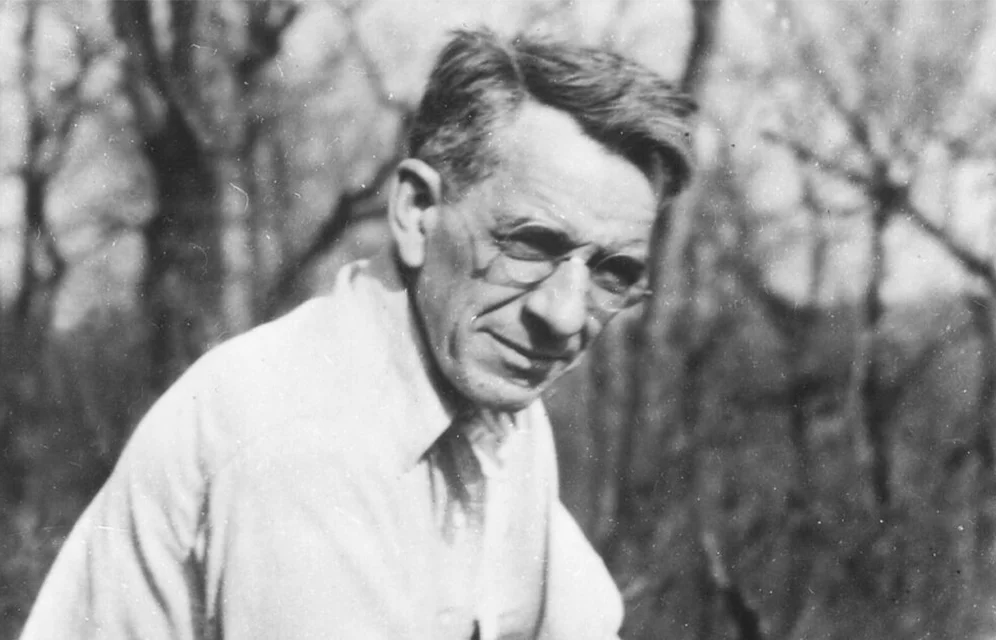
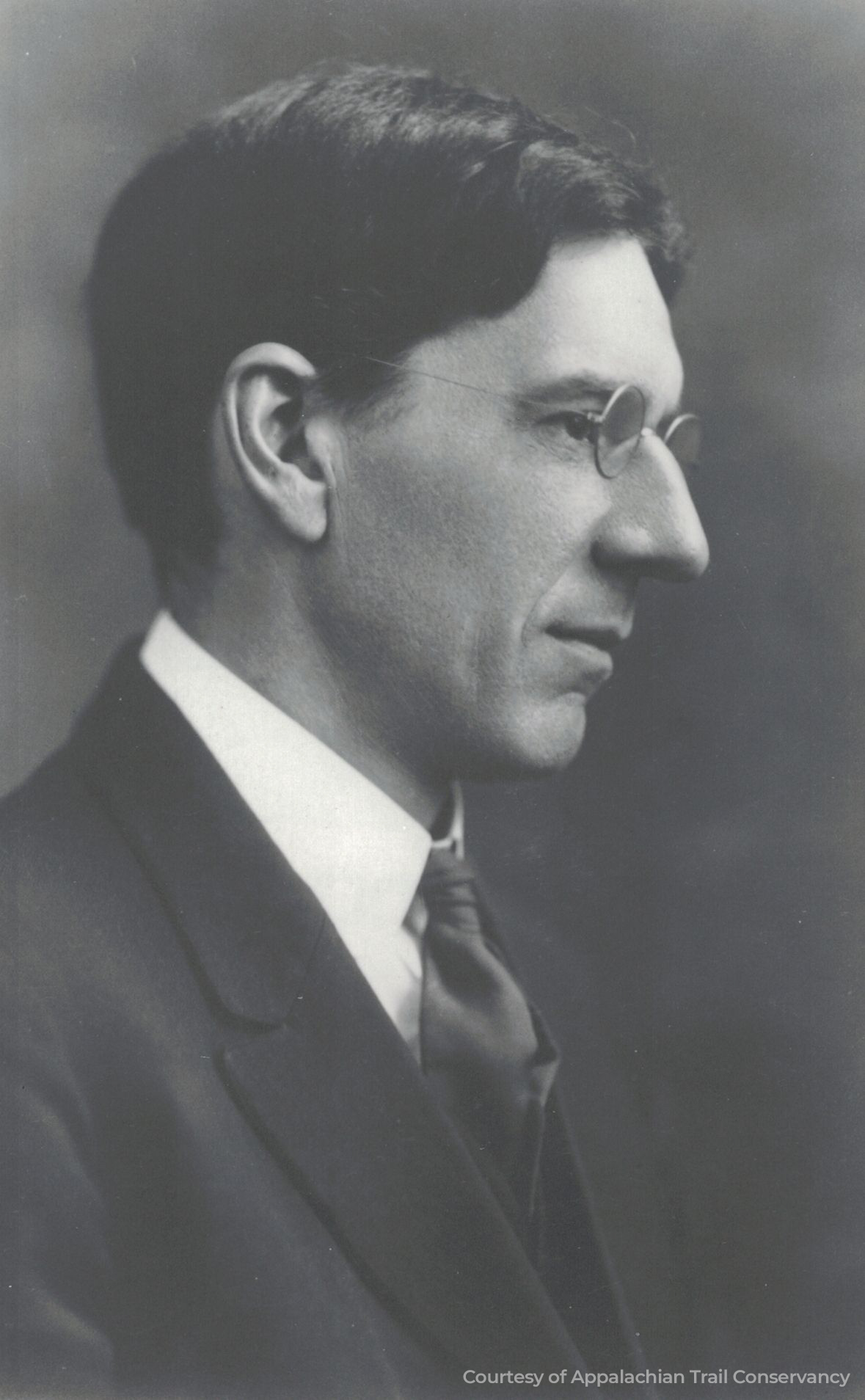
2021 marks the 100-year anniversary of the publication of Benton MacKaye’s groundbreaking article, “An Appalachian Trail: A Project in Regional Planning.” As MacKaye presented it, the Appalachian Trail (A.T.) would be “a new approach to the problem of living,” providing opportunities not only for recreation, but also for health, recuperation, and connections with nature in an increasingly industrialized world.

Even after a century, MacKaye’s original vision continues to inspire and guide us at the Appalachian Trail Conservancy (ATC). Throughout the year, we will be examining the impacts of MacKaye’s vision for the Trail, what has been accomplished so far, and what the next century of A.T. conservation will look like.

Read the Groundbreaking Article

Those instincts are pent-up forces in every human and they demand their outlet… The building and protection of an Appalachian trail, with its various communities, interests, and possibilities, would form at least one outlet.


—Benton MacKaye, 1921

The A.T. Experience
From Trauma to Dream

Author Larry Anderson explores Benton MacKaye’s troubled path to the Appalachian Trail.

Read More

From Benton to Myron

The history of the fraught relationship between Benton MacKaye, the “Dreamer” who envisioned the Appalachian Trail, and Myron Avery, the “Driver” who oversaw its construction.

Read More

What Were You Thinking, Benton?

Benton MacKaye has been labeled many things, but each of these descriptions tells only part of his story on the way to envisioning the Appalachian Trail in 1921.

Read More  

Uncle Benton

Growing up in New Hampshire, Ky Ober’s family often had a guest during the summer: her great-uncle Benton MacKaye.

Read More

Life for two weeks on the mountain top would show up many things about life during the other fifty weeks down below… There would be a chance to catch a breath, to study the dynamic forces of nature and the possibilities of shifting to them the burdens now carried on the backs of men.


—Benton MacKaye, 1921

The A.T. in Its Second Century

Looking forward to the next century of our work, ATC staff members discuss some of our key goals for the next century (and beyond) of A.T. protection.


Recreation on the Trail

ATC Regional Manager Kathryn Herndon-Powell shares that though people recreate on the Trail for different reasons, a love for the resource is what brings all of them together.

Watch

The Next Century of Stewardship

ATC Senior Conservation Coordinator Sara Haxby explains how shared stewardship is essential for the continued management and protection of the Trail.

Watch

Benefits of a Connected Landscape

The Appalachian Trail is much more than a recreational footpath — its surrounding landscape also serves as the largest climate corridor in the eastern United States.

Watch

A Network of Trails

The A.T. is the backbone of a system of connected trails, providing a wide variety of connections for recreation, stewardship and resource protection.

Watch

Reflections at the Start of the ATC’s Centennial Year

A reflection from ATC President and CEO Sandi Marra marking the start of the Appalachian Trail Conservancy’s Centennial Year.

Read More

ATC Celebrates 100 Years

The ATC marks its 100th anniversary with a call to “Keep the Trail Alive,” celebrating a century of protection and rallying support for the Trail’s future.

Read More

A realm and not a trail marks the full aim of our effort. The trail is but the entrance…


—Benton MacKaye

The A.T. Footpath and Beyond

MacKaye understood, after seeing firsthand the rapid expansion of industrialization in the early 19th century, that a 2,000-mile footpath alone would not be enough. In order to preserve the Trail for future generations, a “realm” of forests, clean water, and other sources of life surrounding the A.T. must be established, nurtured, and protected.


Not Merely a Trail

As Benton MacKaye discussed in his vision for the Appalachian Trail, we must prioritize conserving a realm of landscapes and experiences in addition to the footpath itself.

Read More

An A.T. Realm Beyond Recreation

Recreation is only one part of a broader Appalachian Trail conservation effort, which extends well beyond the footpath itself.

Read More

Continuing the A.T. Vision

Even after 100 years, Benton MacKaye’s 1921 vision for the Appalachian Trail continues to guide the ATC in its mission.

Read More

The oxygen in the mountain air along the Appalachian skyline is a natural resource (and a national resource) that radiates to the heavens its enormous health-giving powers with only a fraction of a percent utilized for human rehabilitation. Here is a resource that could save thousands of lives.


—Benton MacKaye

The “Oxygen” of the Trail

By protecting A.T. forests and other habitats, improving their health through restoration and stewardship, and improving access to the Trail for visitors to explore and enjoy, the ATC and its Trail management and landscape conservation partners have helped maintain and protect the largest contiguous greenway east of the Mississippi River.

Now we are faced with an accelerating challenge not only for the A.T. but for the world: climate change. As the negative impacts of climate change become more evident through scientific study and analysis, the importance of increasing the resiliency of the A.T. landscape has never been more important.


Preserving the “Oxygen” of the Trail

How Benton MacKaye’s call for protecting the “oxygen in the mountain air along the Appalachian skyline” guides our work in combating climate change on the A.T.

Read More

The A.T. and Climate Change: Reviewing the Basics

As we continue our series on climate change and its effects on the Appalachian Trail, it is important to lay the groundwork for several key topics.

Read More

Climate Resiliency and the A.T.

Protecting and expanding climate-resilient forests along the Appalachian Trail is vital to ensuring their long-term survival.

Read More

Climate Action and the A.T. Landscape: A Primer

As the largest contiguous green space on the East Coast, the connected forests of the A.T. landscape play an important role in mitigating the impacts of climate change through carbon sequestration.

Read More

A Climate-Resilient A.T. Depends on Effective Federal Policy

Engaging in the creation of federal policy to protect the lands we love is one of the most effective tools to help mitigate the impacts of climate change on the Appalachian Trail.

Read More

Building a Climate-Resilient A.T. Landscape

By protecting the lands surrounding the Appalachian Trail, we can reinforce its important role as a climate-resilient corridor.

Read More

The Appalachian Trail indeed is conceived as the backbone of a super reservation and primeval recreation ground covering the length (and width) of the Appalachian Range itself, its ultimate purpose being to extend acquaintance with the scenery and serve as a guide to the understanding of nature.


—Benton MacKaye

The Trail’s Natural Beauty

By providing an access point to nature within reach of America’s most dense population areas, from Boston to Atlanta, millions would be given a way to easily find the optimism only provided by nature. Yet MacKaye knew that much more than a footpath would be needed — conserving the natural beauty of the lands around the Trail was essential for ensuring this natural experience would remain for the benefit of future generations.


Where the Appalachian Trail Began

At the beginning of a new century, the experiences of Benton MacKaye sparked an idea that would lead to the creation of the Appalachian Trail.

Read More

For the View: Assessing the Scenic Value

The Appalachian Trail offers unforgettable experiences that connect hikers with nature through its breathtaking views, but how does this connection extend to understanding its value as a resource?

Read More

Natural Beauty: 14 States, Unlimited Inspiration

From landscape views to the wings of a swallowtail butterfly, we hope this series inspires you much as the A.T. does for millions of visitors each year.

Read More

Trailing Beauty

The beauty of the Appalachian Trail allows us to bypass the intellect and go straight to the heart.

Read More

From Advocacy to Action

Writer Kim O’Connell explores the pathway from advocacy to action — why a community of people speaking out on behalf of the Trail is essential for the long-term conservation of the A.T.

Read More

And this is the job that we propose: a project to develop the opportunities – for recreation, recuperation, and employment – in the region of the Appalachian skyline.

—Benton MacKaye, 1921

The “Opportunity” the Trail Provides

What Draws Us to the Trail

What drives us to take a walk in the woods? What can that simple walk open up to us?

Read More
Hikers watch the sunset over a valley

Protecting the A.T. Hiking Experience

Ever since the first foot of the Appalachian Trail was cleared, visitor use management has been essential for protecting A.T. resources and guiding hikers toward safe and Trail-friendly practices.

Read More

The Pathway from Recreation to Conservation

Through our actions on the Appalachian Trail and beyond, we can help conserve a precious natural resource and inspire others to do the same.

Read More

Ritual of the Trail

Writer Michael Garrigan provides a glimpse into his most important ritual: stewarding the Trail so that future generations can “sink into its soil.”

Read More